
Indonesia
The Ultimate Guide to Indonesian Coffee: A Journey Through the Archipelago’s Finest Beans
May
If you walk into a specialty coffee shop in London, New York, or Tokyo, chances are you’ll spot at least one bag of beans labeled with an Indonesian origin. But for many, “Indonesian coffee” is just a broad category. In reality, it is a massive world of flavors—a liquid map of over 17,000 islands, volcanic soils, and ancient traditions. Whether you are a casual sipper or a dedicated coffee enthusiast, understanding Indonesian coffee is like learning a new language. It is a deep dive into why these beans are world-class and which ones truly deserve a spot in your daily grinder.
The “Secret Sauce”: What Makes Indonesian Coffee Unique?
Before exploring the specific regions, it is essential to understand Giling Basah, or Wet-Hulling. This is a unique processing method found almost exclusively in Indonesia, particularly in Sumatra and Sulawesi. While most of the world either dries their coffee inside the cherry or washes it clean before drying, Indonesian farmers often remove the parchment layer while the beans are still quite moist. This unconventional technique results in a coffee with an incredibly heavy body and low acidity. It creates those famous earthy, woody, and spicy notes that feel thick and syrupy on the tongue—a profile that is unmistakable once you have experienced it.
Exploring the Regional Stars
Deep in the Aceh highlands, Sumatra Gayo stands as a bold legend. Grown at high altitudes in rich volcanic soil, this coffee is a favorite for those who crave a strong and powerful cup. When you take a sip, you will immediately notice its remarkably heavy body and clean finish. It carries deep, comforting flavors of dark chocolate and cedar, often accompanied by a subtle hint of tobacco and spice. It is the kind of coffee that does not get lost when you add milk, making it a perfect choice for a morning latte or a punchy espresso.
Moving over to the mountains of South Sulawesi, we find Toraja coffee, which offers a more sophisticated and mysterious experience. In Tana Toraja, coffee is deeply woven into the local culture, and that care shows in the cup. This variety is famous for its smooth, “brooding” character. It is less earthy than its Sumatran cousin, leaning instead towards a refined sweetness with notes of ripe nuts and dark berries. Because it has such a clean finish and low acidity, it is an ideal companion for a slow, mindful pour-over on a quiet Sunday morning.
If you are looking for a plot twist, Bali Kintamani is the tropical outlier you need to try. Unlike the heavy and spicy beans found elsewhere in the archipelago, Balinese coffee is bright, crisp, and incredibly refreshing. This is largely because coffee trees in Kintamani are often intercropped with citrus trees, allowing the beans to soak up those vibrant aromas. Each cup bursts with flavors of orange peel and grapefruit, making it feel more like a fruit tea than a traditional coffee. Its light body makes it the ultimate candidate for a refreshing iced coffee on a hot afternoon.
We cannot talk about Indonesian coffee without mentioning Java Preanger, the birthplace of the “Java” nickname. The Dutch first planted Arabica here in the late 1600s, and today, the West Java region remains a crown jewel for specialty seekers. Java Preanger is the ultimate crowd-pleaser because of its incredible balance; it is neither too acidic nor too bitter. It greets you with a lovely floral aroma and follows through with a sweet, honey-like finish. It is the perfect all-rounder bean that you can enjoy black all day long without ever getting tired of its subtle complexity.
Finally, for the dessert lovers, there is Flores Bajawa. Hailing from the ash-rich volcanic soil of the Flores highlands, this coffee has been gaining a massive following in the global specialty scene. Drinking Bajawa coffee feels like a true indulgence; it is famously thick and syrupy with almost zero acidity. The flavor profile is dominated by rich notes of decadent milk chocolate and toasted hazelnuts, tied together with a lingering caramel sweetness. It is essentially a warm hug in a mug and arguably the best choice for anyone who wants a rich, comforting brew to end their day.
The Modern Wave and Brewing Tips
Indonesia is no longer just about exporting raw beans. In creative hubs across the country, a massive “Third Wave” coffee culture has exploded. Local roasters are now pushing boundaries with experimental processing methods, resulting in beans that can taste like anything from wild strawberries to tropical pineapple. To get the most out of these diverse flavors, your brewing method matters. For heavy-bodied beans like Sumatra or Flores, a French Press is ideal because its metal filter lets those natural oils shine. If you are brewing the more delicate Bali or Java beans, try a V60 or Chemex; the paper filter will help highlight those beautiful floral and citrus notes.
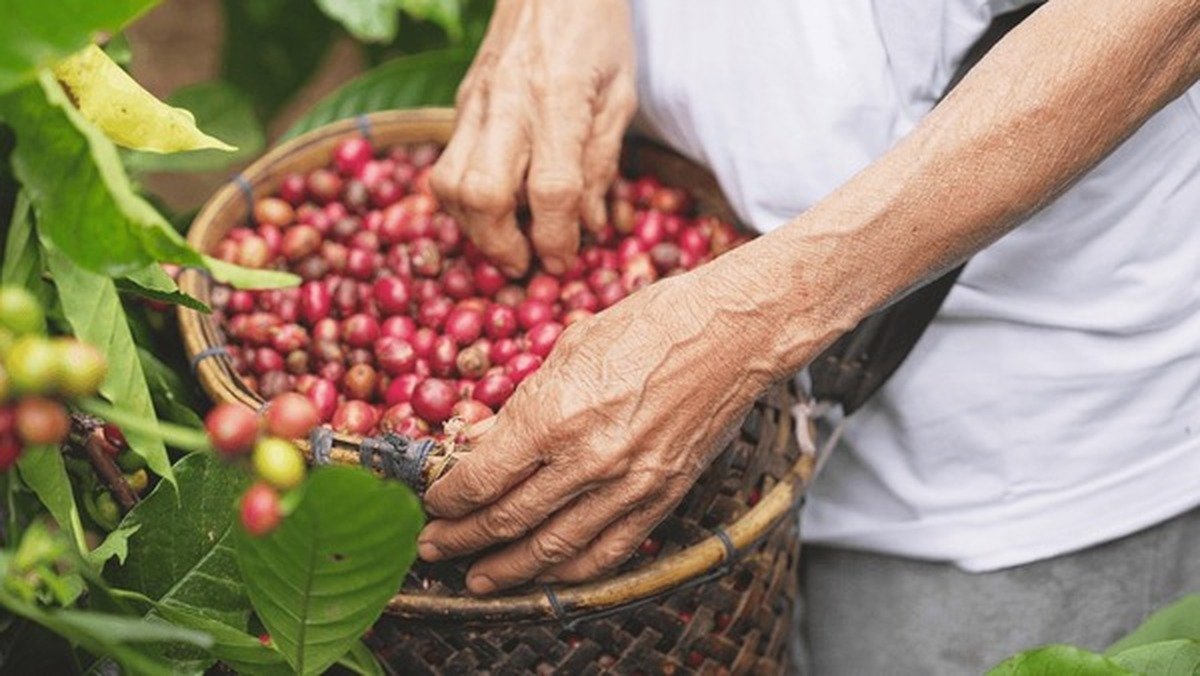
Indonesian coffee is a true journey of discovery. You can travel from the spicy jungles of Sumatra to the sun-drenched groves of Bali without ever leaving your kitchen. So, which of these islands are you planning to visit in your next cup? Whatever your choice may be, each sip is a tribute to the rich heritage and the hardworking hands that make Indonesian coffee a true masterpiece for the world.